
MoF Prepares Expansion of 2025 Government-Borne Income Tax (PPh 21 DTP):
Pro-People Policy or Temporary Stimulus?
Jakarta, October 2025 — Amid ongoing inflationary pressures and the government’s effort to maintain economic growth at around 5%, the Ministry of Finance (MoF) is preparing to expand the Government-Borne Income Tax (PPh 21 DTP) policy for the 2025 fiscal year. This initiative forms part of the government’s pro-people fiscal package, aimed at sustaining household purchasing power and supporting domestic consumption during the national economic recovery period.
Under this scheme, income tax that is normally withheld from employees’ salaries will instead be borne by the government. Consequently, employees will receive their full gross income without tax deductions. This policy continues the previous PPh 21 DTP program, but with broader coverage—now including the tourism sector, which is considered to have a strong multiplier effect on regional economies.
The expansion was announced by the Minister of Finance and the Coordinating Minister for Economic Affairs on 12 September 2025, and is currently being finalized as a Draft Ministerial Regulation (RPMK) to amend Minister of Finance Regulation No. 10/2025. “Our primary objective is to preserve household purchasing power while ensuring that the tourism sector continues to recover and grow in the post-pandemic era,” stated an official from the Fiscal Policy Agency (BKF).


The PPh 21 DTP facility will be granted to employees in the footwear, textile, garment, furniture, leather, and tourism sectors. Within tourism, 93 business classifications (KLU) are eligible, including hotels, restaurants, bars, travel agencies, MICE services, theme parks, water tourism, diving centers, fitness studios, spas, and karaoke establishments.
The beneficiaries targeted under this scheme are:
- Permanent employees earning a maximum gross income of IDR 10 million per month, and.
- Non-permanent employees earning a daily wage of up to IDR 500,000 or a monthly equivalent of IDR 10 million, provided they have a Taxpayer Identification Number (NPWP) or integrated National ID (NIK), and are not simultaneously receiving other DTP facilities.
The policy will be effective for three months—from October to December 2025. Eligible companies are required to pay full salaries without tax deductions, issue tax withholding slips, and report the utilization of the facility through their monthly PPh 21 tax returns. The government has also prepared a compensation mechanism via the DJP Online system, allowing companies to claim the amount of PPh 21 borne by the government in subsequent tax periods.
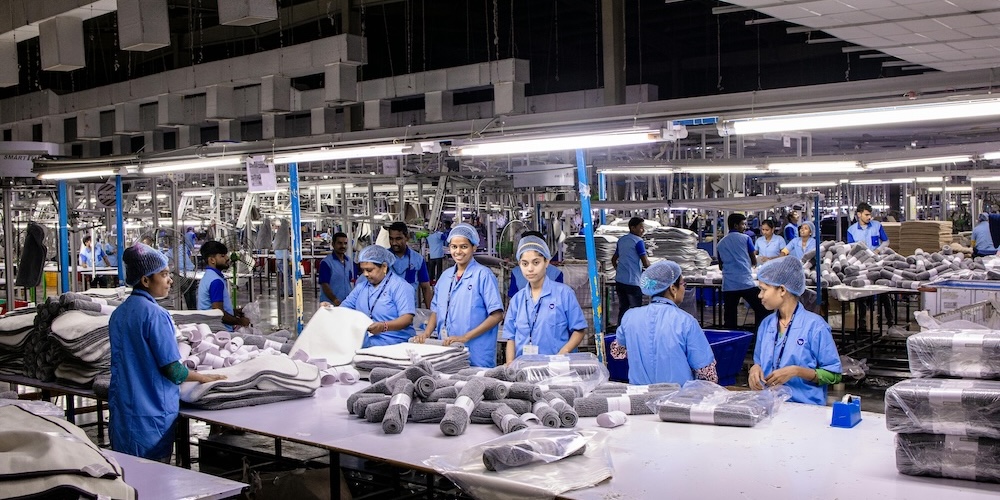
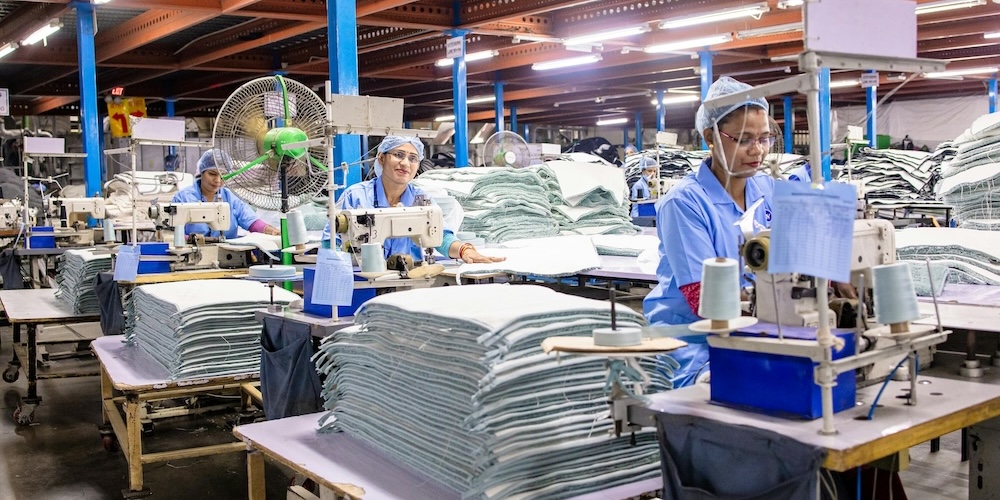
From an economic perspective, this incentive is expected to increase employees’ take-home pay and stimulate household spending, particularly in labor-intensive and tourism-related industries. The resulting multiplier effect is anticipated to boost local economies in major tourist destinations such as Lombok, Bali, Jakarta, and Yogyakarta.
Nevertheless, several economists have questioned the effectiveness of the program, emphasizing its temporary and consumptive nature. Unlike investment incentives that enhance production capacity, the PPh 21 DTP only stimulates short-term demand. Without improvements to the business climate, its benefits may be limited to household consumption, failing to strengthen the supply side of the economy. Even so, for tourism workers still recovering from the post-pandemic downturn, the additional take-home pay over the three-month period provides welcome relief and renewed purchasing power.
From an implementation standpoint, administrative readiness and data integration remain key challenges. Companies must ensure that their Business Classification Codes (KLU) align with the official master file of the Directorate General of Taxes (DJP) and verify the integration of NPWP–NIK systems. As this integration process is still in transition, micro and small enterprises that have not fully digitalized their systems may face obstacles.
Additionally, the tax compensation mechanism for employers requires further clarification to avoid administrative confusion. Without simplified reporting procedures, small businesses may face increased compliance burdens rather than relief. Supervisory measures are also crucial to mitigate moral hazard risks. In the absence of proper oversight, there is a possibility that companies may not pass the full benefit to employees. Therefore, cross-agency coordination is essential to ensure the policy’s accuracy, transparency, and accountability.
Conceptually, the PPh 21 DTP policy represents a consumption-based expansionary fiscal policy, in which the government assumes taxpayers’ obligations to raise disposable income. This initiative aligns with the 2025 fiscal policy direction, emphasizing inclusive growth and equitable welfare distribution. However, with fiscal space narrowing amid rising financing needs, the effectiveness of this measure will depend heavily on accurate reporting, administrative transparency, and coordination among fiscal authorities.
Stimulus or Sustainable Solution?
The 2025 expansion of PPh 21 DTP demonstrates the government’s commitment to using tax instruments as tools for redistribution, rather than merely as revenue sources. If implemented transparently and complemented by structural reforms, this policy could become one of Indonesia’s fiscal success stories in 2025—strengthening purchasing power while revitalizing the real sector. However, without policy continuity and improvements in investment conditions, the PPh 21 DTP risks becoming merely a temporary stimulus that sustains consumption without addressing underlying economic fundamentals.